The Indowud Story: Turning Rice Husk into the Future of Building Materials
Every revolution begins with a breakthrough. Indowud NFC is that breakthrough for the building materials industry—transforming the way the world thinks about plywood, solid timber, and sustainable construction.
When Myanmar banned the export of round timber logs in 2014, it disrupted the supply of premium raw materials that Uniply, the leading plywood manufacturer, depended on to manufacture high-quality plywood. Instead of compromising on quality, the founder made the difficult decision to exit the business in 2015. Over the next two years, he travelled across the US and Singapore in search of a sustainable alternative that could match—and even surpass—the performance of traditional wood. That search led him to rice husk, an agricultural waste product that farmers typically burn after harvest, contributing to severe air pollution. Turning this overlooked waste into a valuable raw material, however, was far from easy.
Developing the right formulation involved years of experimentation, countless failed trials, and significant material losses. Existing machinery could only process a fraction of the required rice husk content, forcing him to study advanced European technology to achieve the breakthrough that eventually became Indowud’s proprietary manufacturing process.
Building a reliable supply chain for agricultural waste presented another challenge. Rather than depending on a few large suppliers, Indowud established direct relationships with more than 110 nearby rice mills, creating a decentralised sourcing network that lowered transportation costs, reduced supply risks, and ensured a steady flow of raw materials. Looking ahead, the company sees even greater potential in addressing North India’s stubble-burning crisis by offering farmers a productive use for crop residue that would otherwise be burned.
This not only creates an additional source of income for farmers but also transforms an environmental problem into a sustainable manufacturing solution. Despite early skepticism from architects and industry experts who doubted that a rice husk-based board could outperform solid wood, Indowud proved its capabilities through real-world installations, including the Shree Cement corporate headquarters in Jaipur and a 110-villa seafront township in Oman, where the material successfully withstood years of extreme weather conditions.
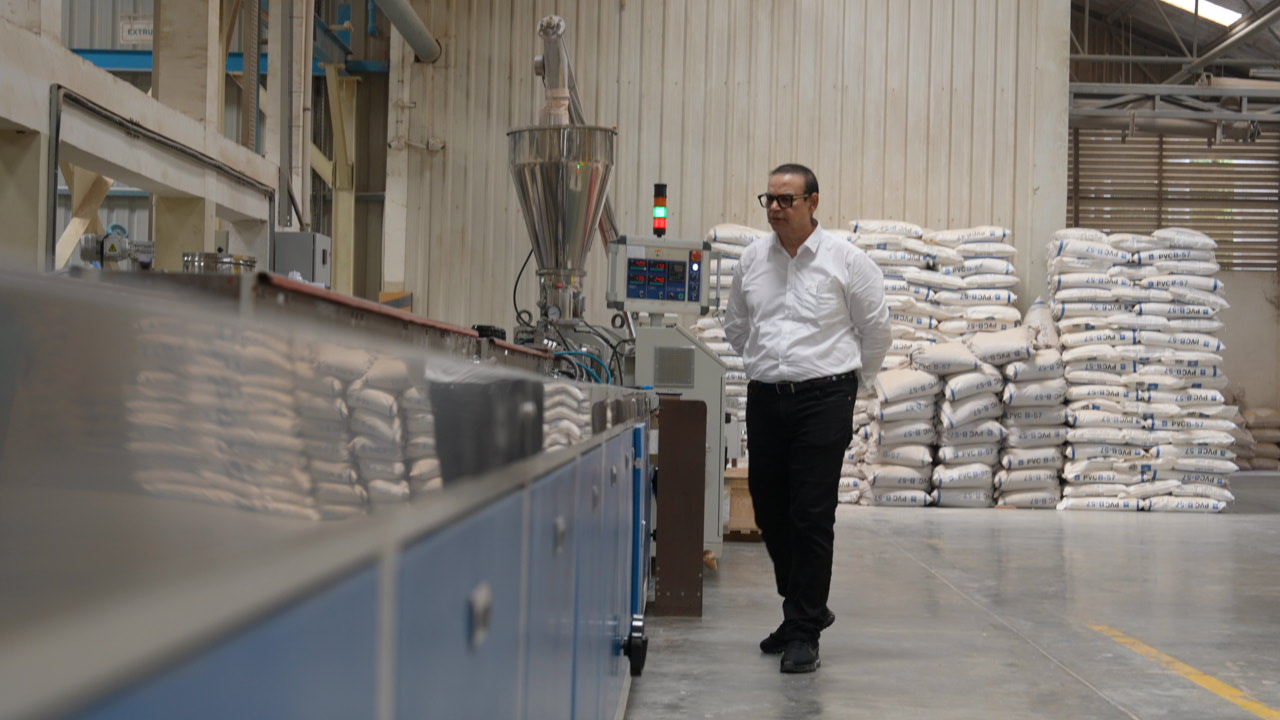
What makes Indowud unique is that its performance is engineered into the material itself rather than applied as a surface coating. The boards are inherently waterproof through their bonding matrix, termite proof and rodent resistant, and incorporate non-toxic flame-retardant additives that enable them to self-extinguish within seconds while producing significantly less smoke than conventional materials. These innovations have earned the company globally recognized certifications, including an Environmental Product Declaration (EPD), IGBC/CII GreenPro certification, RoHS compliance, and zero VOC emissions. With sustainability regulations becoming stricter worldwide, Indowud is positioning itself as a global alternative to traditional timber, proving that agricultural waste can become a high-performance, environmentally responsible building material for the future.
Trending Stories






Trending Stories
Related Popular Stories
-
 By Prerna Saini | September 09, 2026
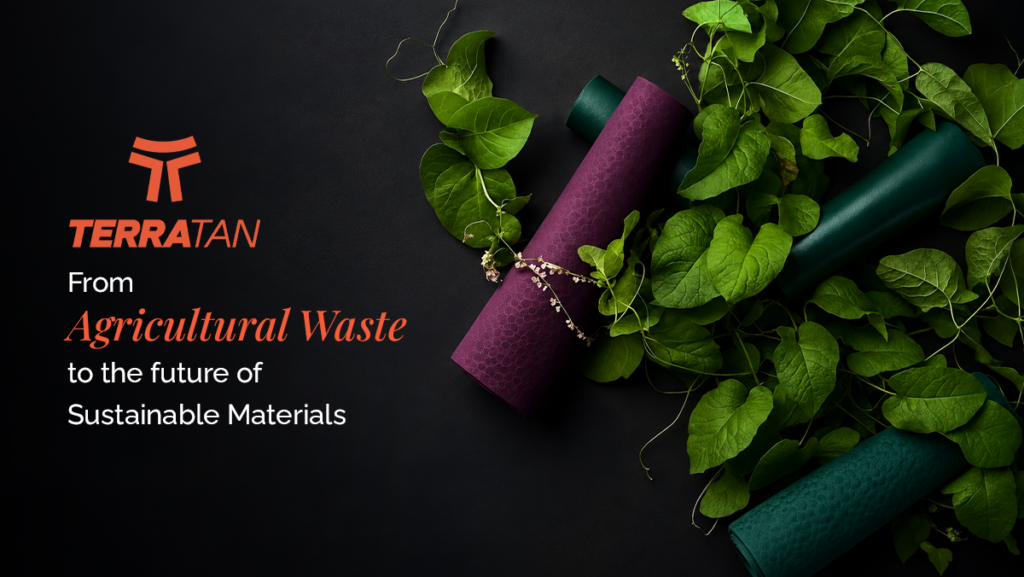
Bharat Biomaterials: From Agricultural Waste to the Future of Sustainable Materials
Read More -
 By Prerna Saini | September 01, 2026
Building with Hands, Heart and Humanity: The Story of Masons Ink
Read More -