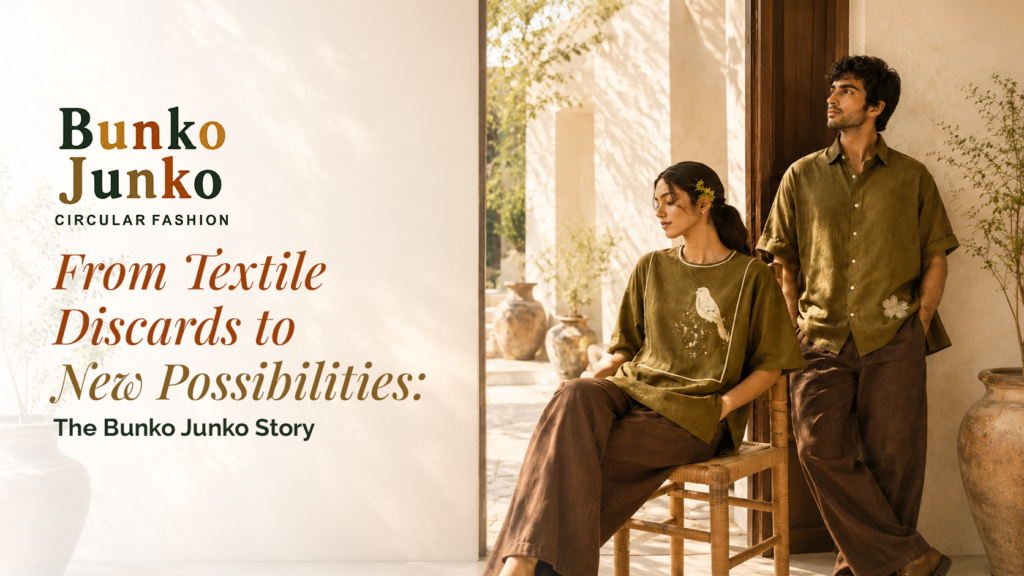
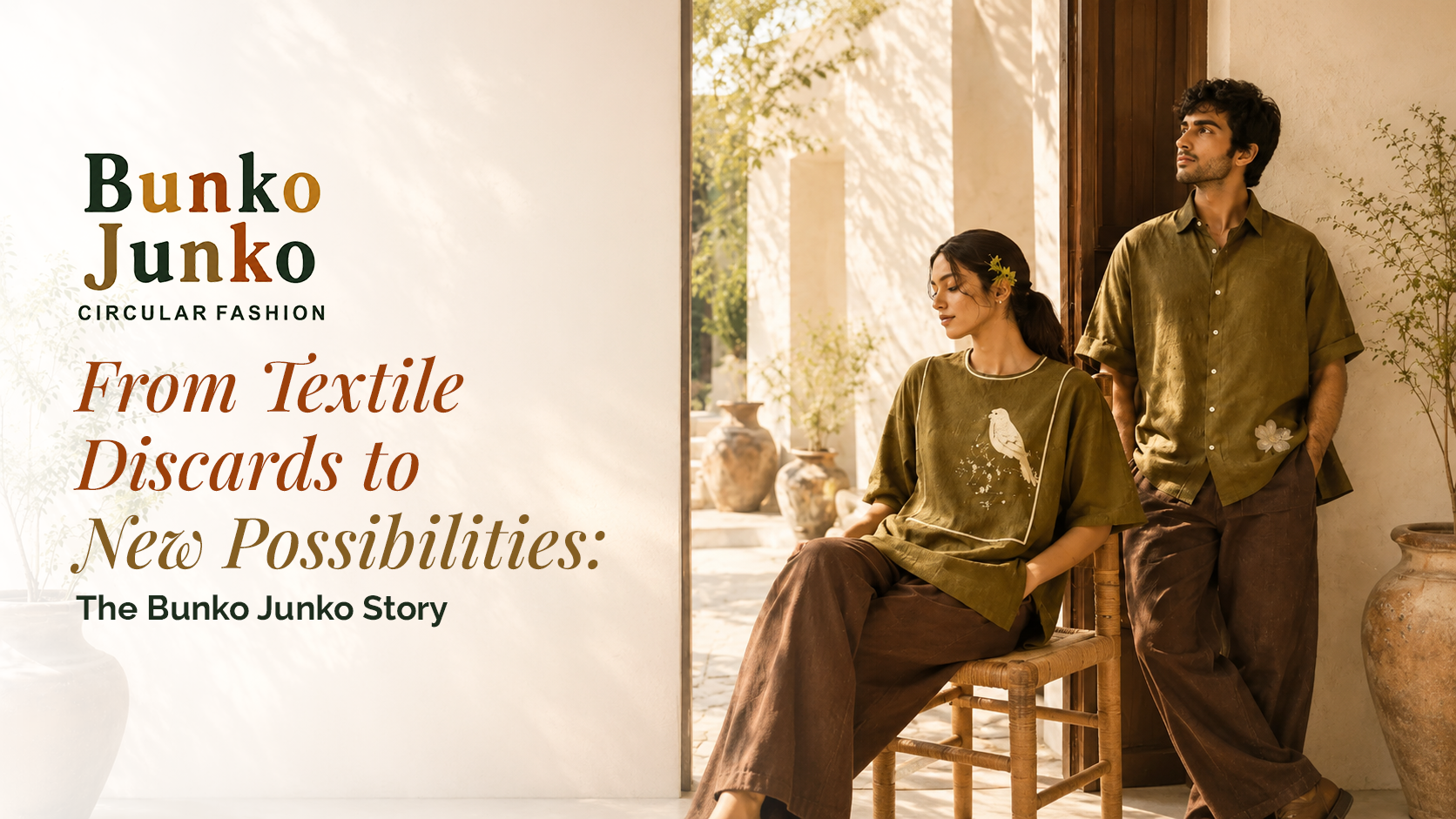
From Textile Discards to New Possibilities: The Bunko Junko Story
My entrepreneurial journey began long before Bunko Junko came into existence. In 1993, I started a small toy-library initiative with just ₹500 given to me by my father. That early experience taught me how to work with limited resources, understand people’s needs and create value through initiative. Years later, while exploring the textile and fashion industry, I began noticing how much usable fabric and garment material was being discarded simply because it was surplus, leftover or no longer required for production. I started looking at these materials differently, not as waste but as resources with the potential for a new purpose. This idea eventually led to the establishment of Bunko Junko in 2019, with a vision to transform textile surplus into thoughtfully designed products while creating meaningful livelihood opportunities for women artisans.
The name Bunko Junko also has a special personal story behind it. It came out of a brainstorming walk and a conversation about the people closest to me. The letter ‘B’ represents Bhavini, while ‘Junko’ brings together Jill, my daughter, and ‘N’ for Nishith, my husband and constant supporter. During that walk, Jill also suggested the word ‘junk’, which inspired the playful direction of the name. What began as a spontaneous family conversation eventually became the identity of the brand. Building Bunko Junko, however, involved much more than creating a brand name or designing products. One of the early challenges was finding the right material sources, understanding different textile qualities and identifying what could realistically be made from them. Upcycling is not simply about stitching leftover fabric into something new. Every material comes with different colours, compositions, sizes and conditions, which makes flexibility, experimentation and careful planning essential. I also had to help customers understand that upcycled products could offer the same quality, functionality and appeal as conventionally manufactured products. Over time, I realised that a strong purpose needs an equally strong business and operating model to create lasting impact.
As Bunko Junko evolved, I began recognising opportunities beyond individual upcycled products. The work gradually expanded into corporate gifting, event merchandise, fashion accessories, institutional collaborations and textile recovery initiatives. Working with organisations and exploring textile collection and reuse helped me understand that textile circularity could become a much larger ecosystem. The process begins with understanding the material, assessing its condition, colour, composition and possible applications, and then developing designs around what is actually available. Our team works on adapting patterns, combining fabric pieces, improving cutting efficiency and ensuring proper stitching, finishing, durability and quality control. Every stage requires design thinking, technical knowledge and close coordination with skilled artisans. I strongly believe that upcycled products should never look or feel like a compromise. They should be contemporary, functional, durable and desirable in their own right. This journey has also highlighted the importance of changing common perceptions around upcycling. It is not merely a craft activity; it involves material knowledge, product development, engineering, quality control and thoughtful design.
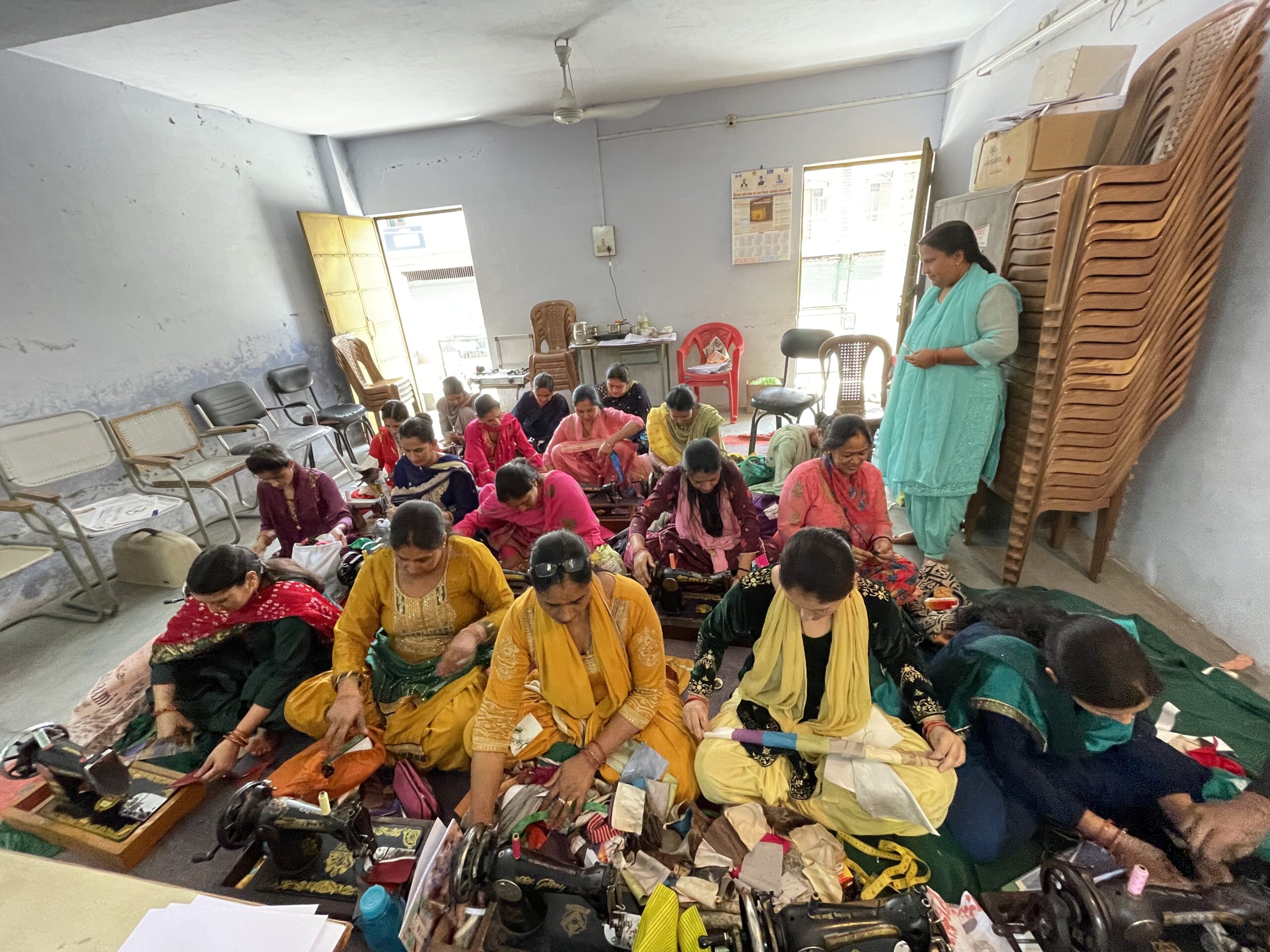
One of my proudest achievements has been seeing Bunko Junko develop from an idea into a recognised upcycled textile brand with growing collaborations, production capabilities and women-led initiatives. The journey has received visibility through platforms and networks including Visa, YourStory, Better India, BBC, the UN Fashion and Lifestyle Network, IKEA Foundation, SEED and other institutional and industry forums. We have also continued exploring new possibilities through CircularOS Pvt Ltd, which is developing technology-led solutions for textile traceability and impact measurement. For me, these milestones represent more than recognition for a brand. They bring attention to the larger opportunity of combining textile circularity, thoughtful design, entrepreneurship and women’s economic empowerment. I am particularly proud of the opportunities created for women artisans, who play an important role in turning underused materials into valuable products. Seeing this work develop into meaningful partnerships and a wider circular business model has been one of the most encouraging parts of the journey.
Looking ahead, I want to see the world move away from the traditional take-make-discard approach towards a system where materials are recognised as valuable resources throughout their life cycle. Products should be designed with their next use in mind, businesses should take greater responsibility for surplus and post-use materials, and consumers should have more opportunities to choose durable, reusable and responsibly made products. This transition requires collaboration between designers, manufacturers, brands, collection partners, recyclers, policymakers and consumers. Through Bunko Junko, I want to demonstrate the creative and commercial possibilities of textile upcycling, while CircularOS aims to develop the technology and systems that can make circular practices easier to track, measure and scale. My belief is simple: sustainability should not mean lowering expectations; it should encourage us to think and design more intelligently.
Trending Stories

Trending Stories
Related Popular Stories
-
 By Prerna Saini | October 16, 2026
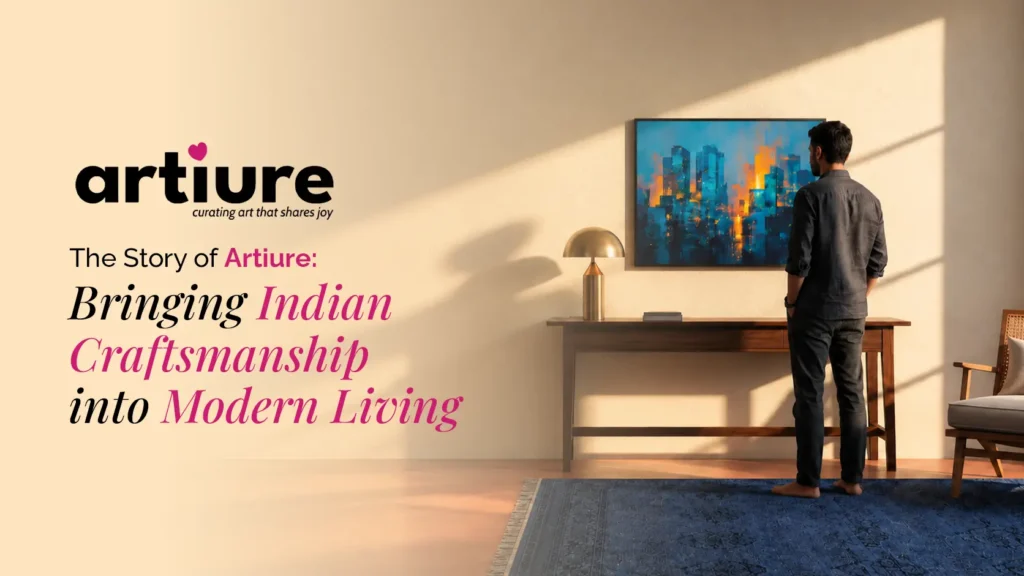
The Story of Artiure: Bringing Indian Craftsmanship into Modern Living
Read More