From a Home Kitchen to a Chilli-Led Brand: The Mother–Daughter Story Behind Hotchaa!
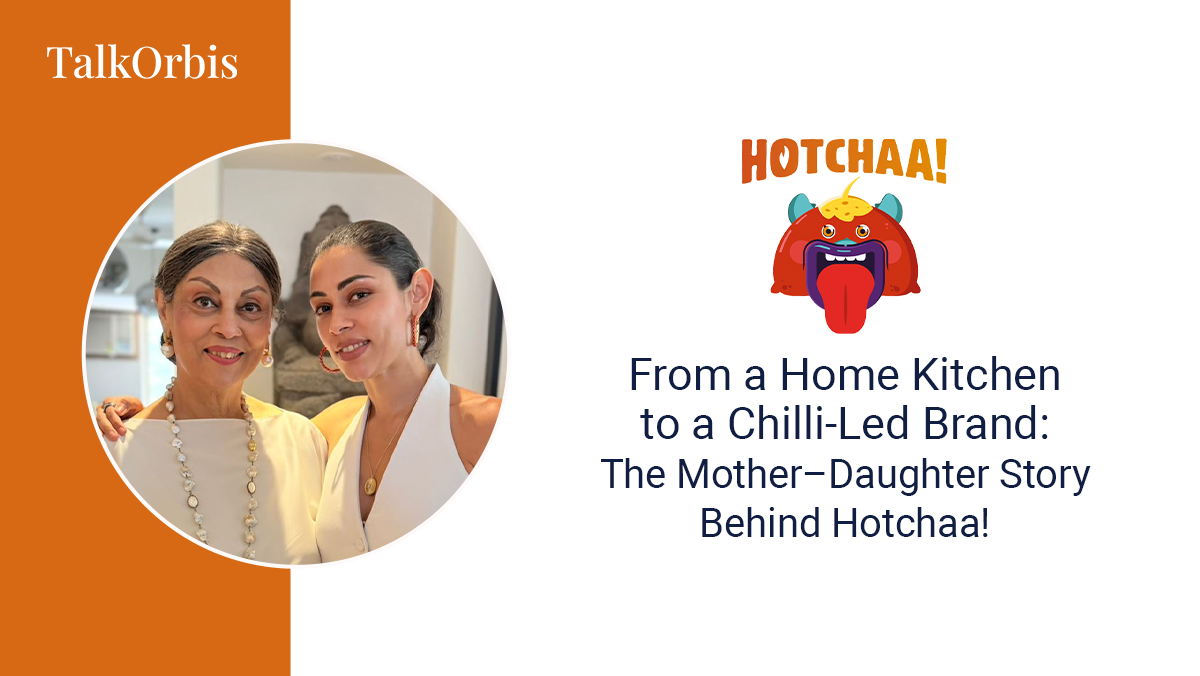
Anita and Alisha Shirodkar , Co-Founders of Hotchaa!
Anita and Alisha Shirodkar are the mother–daughter co-founders of Hotchaa!, a premium Indian condiment brand combining indigenous chillies with globally inspired flavours. What began with homemade chilli oil has become a mission to make India’s chillies famous, one bottle at a time.
SUMMARY
- A mother–daughter brand born from a lockdown kitchen experiment.
- Indian chillies reimagined through versatile, globally inspired condiments.
- A vision to build an Indian spice-led brand recognised worldwide.
Hotchaa was founded by a mother-daughter duo. How did the idea originate, and what inspired you to turn it into a business?
It began almost accidentally, during lockdown in Dubai. I was cooking a great deal and experimenting with chilli oils and sauces, simply because I love food and the process of building flavour. One particular chilli oil became a favourite with friends, who kept asking for bottles. At that stage I saw it as a kitchen project, not a company. Alisha looked at it differently. She saw a product people genuinely wanted and an opportunity to create a contemporary food brand around it. We also realised that Indian chillies have wonderful personalities, but very little visibility in the global condiment conversation. I brought my experience in creative direction and a lifelong interest in food; Alisha, as an experienced entrepenreur in the food space as a co-founder of the Belgian Waffle co, brought a nuanced consumer and marketing perspective. And Hotchaa! grew from that combination. For me, beginning an entrepreneurial journey after 60 has been an unexpected and energising second act. We are still learning every day, and that is part of the excitement.
Was there a particular homemade recipe or moment that made you realise your idea could become a brand?
The turning point was the homemade chilli oil I made to serve with duck pancakes and other dishes. It was never intended as a commercial recipe. I was simply trying to create a flavour I wanted at my own table. But friends began requesting it, and then strangers started requesting bottles. That repeat request was more meaningful than a polite compliment: people were actually using it in their kitchens and wanted to replenish it. Alisha was the one who realised that this idea might have legs. We started exploring what a range could look like, how to build consistency, and whether our instinct for flavour could translate beyond friends and family. The original chilli oil gave us the confidence to experiment with more formats. We did not begin with a grand market presentation; we began in a iterative manner, consolidating as we moved along.
The condiment market already has established players. What gap did you identify that led you to build Hotchaa?
Hotchaa! was born out of two distinct opportunities: evolving how Indian consumers experience spice and bringing greater recognition to India’s incredible diversity of indigenous chillies. While spice has always been deeply ingrained in Indian food culture, we saw an opportunity to give this familiar love for heat a more contemporary, globally inspired expression through gourmet condiments that effortlessly bridge cuisines, whether it’s hot sauce on pizza or chaat, or chilli oil on dumplings or idli. At the same time, we recognised that while chillies like Jalapeño, Habanero and Chipotle enjoy global recognition, India’s own varieties, such as Lavangi, Byadgi, Sankeshwari, Teja, Dalle Khursani and Bhut Jolokia, remain relatively undiscovered. We set out to change that by putting Indian chillies at the heart of versatile, globally relevant sauces that celebrate their unique flavours, aromas and heat profiles. More than just building a sauce brand, Hotchaa! is about taking India’s rich chilli heritage to the world and making Indian chillies famous, one bottle at a time.
India has extraordinary chillies, but the world knows far too little about them. We want people to discover their flavour, not just their fire — and reach for an Indian chilli sauce as naturally as they reach for any global favourite.
How do your individual strengths and perspectives complement each other while running a business together?
We come from different generations, and that makes the partnership more interesting. I spent over two decades in advertising and creative direction, so I naturally think about storytelling, positioning, design and how a product feels. I am also deeply involved in the food itself: flavour, ingredients, recipe trials and what happens when you put a sauce on a plate. Alisha brings an educated understanding of branding, consumers, digital marketing, performance & growth, and food trends, alongside her interest in health and fitness.
We do not always agree, and I think that is healthy. As mother and daughter, we can be unusually direct with each other. We challenge ideas, argue our corners and eventually land on a better answer. The important thing is that we share the same standards for the product and the same ambition for the brand. It is not a neat division between old and new; it is a constant exchange of perspectives.
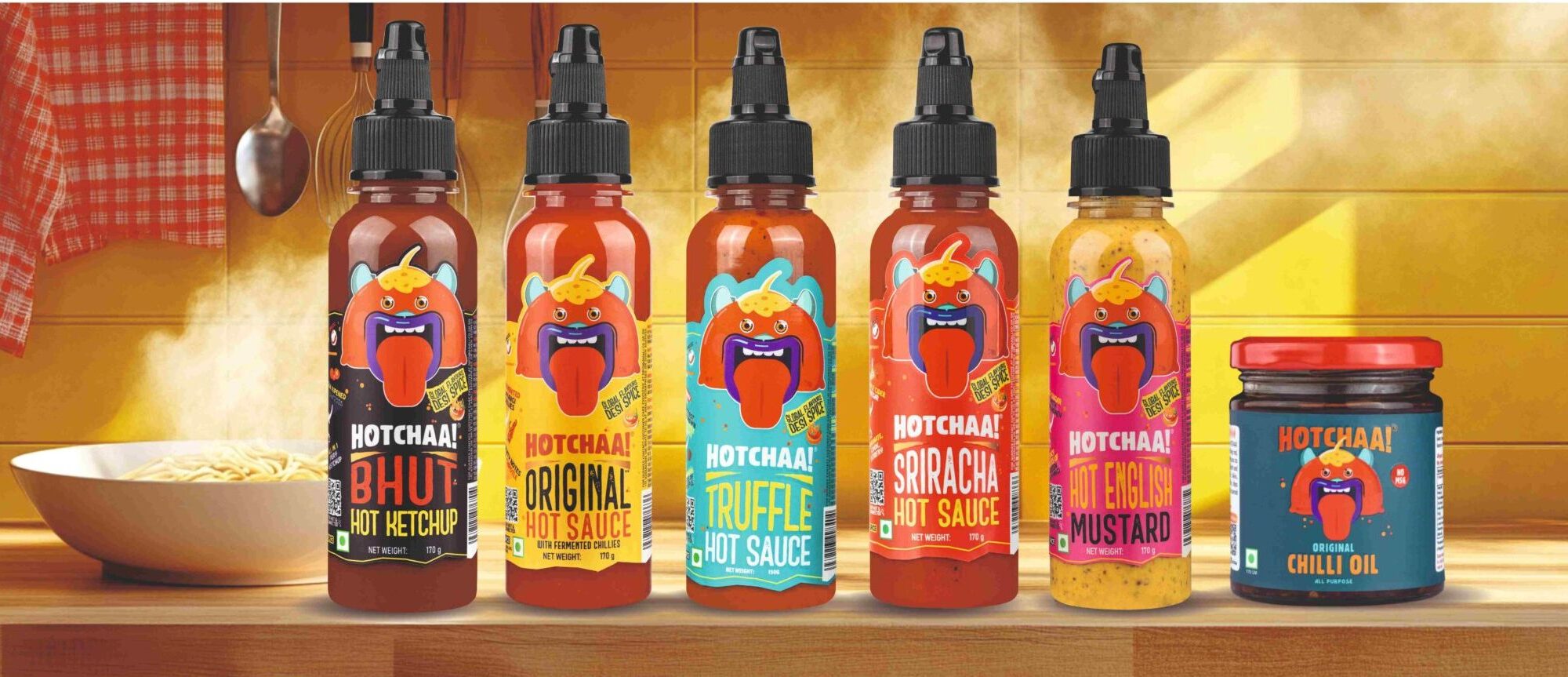
Indian chillies offer a wide range of flavours and heat levels. How do you experiment with ingredients to develop Hotchaa!'s distinctive products?
We start with the chilli, not with a target on a heat scale. Each variety contributes something different. Lavangi brings a lively, distinctive heat; Byadgi is prized for colour and flavour; Bhut Jolokia has an unmistakable intensity and character, Sankeshwari brings a sharp heat. Then we ask what flavour combination will bring out the best in it. That might mean fermentation for our OG Hot Sauce, the earthy umami of truffle, red bell peppers and apple cider vinegar in our Naga Sriracha, or tomatoes balancing the fire of Bhut Hot Ketchup.
We test combinations in real dishes, because a sauce that tastes impressive on a spoon may behave quite differently on pasta, eggs or a sandwich. Balance matters: acidity, sweetness, savouriness, texture and heat must work together. We revisit recipes, compare samples and keep tasting until the result is something we would genuinely use at home. The goal is never heat for its own sake; it is a flavour people want to return to.
What has been your biggest challenge in developing your products and building a consistent brand experience?
One of the hardest parts has been translating a creative kitchen idea into a product that tastes consistently good at scale. In a home kitchen you can adjust a recipe instinctively. In a commercial product, every batch has to deliver the same balance, texture and experience, while also meeting practical requirements around sourcing, packaging and shelf life. Ingredients are not always perfectly uniform, especially when you are working with agricultural produce like chillies. That means product development takes discipline as well as imagination.
Another challenge has been educating consumers. People may assume that “hot sauce” means extreme heat, or that a particular sauce belongs with only one kind of food. We have to demonstrate versatility repeatedly, through tastings, content and everyday food pairings. As a young brand, we are also learning to grow distribution without losing the quality and personality that made people love the products in the first place.
The real test of a sauce isn’t whether someone says ‘wow’ at a tasting. It’s whether they take it home, put it on three different meals and come back for another bottle. That’s the habit we want to build.
How do you encourage customers to experiment with your sauces and chilli oils beyond traditional uses?
We show people rather than simply tell them. A hot sauce can sound intimidating until you see it on a familiar dish. We create pairing ideas and food content that move easily between cuisines: OG Hot Sauce on chaat or pizza, chilli oil on idli or dumplings, Truffle Hot Sauce on eggs or pasta, and Bhut Ketchup on a burger or vada pav. We also like unexpected combinations, including sauces in cocktails, marinades and dressings. That sense of discovery is part of the brand personality. We want customers to feel they can experiment without following a complicated recipe. Sometimes all it takes is a few drops, a drizzle or a spoonful to change a dish completely. The more occasions a product fits into, the more naturally it becomes part of someone’s everyday cooking and eating.
What has customer feedback taught you about consumer preferences, and has it influenced any product or business decisions?
The clearest lesson has been that flavour and versatility matter at least as much as heat. People may first notice an interesting chilli or a bold product name, but they return because the sauce works with foods they actually eat. We’ve also noticed a growing curiosity among Indian consumers to explore new cuisines, experiment with exotic ingredients and recreate international food experiences at home. From Korean and Japanese to Mexican and Mediterranean, people are becoming increasingly adventurous with what they eat, and condiments offer an easy, accessible way to explore these flavours.
Interestingly, hot sauce also has a certain ‘cool quotient’ today. It’s no longer just about adding heat to food; it’s becoming a lifestyle choice, a reflection of an adventurous palate and a willingness to experiment. We have also seen that premium flavour combinations can find a loyal audience. Our Truffle Hot Sauce has become an important product for us, reinforcing that consumers will pay more for a distinctive flavour experience.
Customer conversations, tastings and repeat purchases help us understand which pairings resonate and where we need to explain a product better. They have also encouraged us to think beyond the traditional hot sauce bottle. We are learning that the opportunity is not simply to sell spice, but to make flavour experimentation easy, exciting, everyday and habit-forming.
Looking ahead, what is your vision for Hotchaa!, and how do you hope to make the brand stand out in India's evolving food market?
We want Hotchaa! to become a recognisable Indian spice-led flavour brand, not simply a collection of hot sauces. Our immediate focus is to deepen distribution, strengthen our presence across online and quick-commerce channels, build foodservice partnerships and expand into new formats. We are working on new products with the longer-term potential to explore other spice-led categories. But the larger ambition is cultural as much as commercial. India has a remarkable range of chillies, yet many are not widely known by name outside their regions. We would love consumers in Mumbai, Dubai, London or New York to recognise Lavangi, Byadgi or Bhut Jolokia as readily as they recognise internationally famous chillies. To get there, the products must stand on their own merits: delicious, distinctive, thoughtfully made and easy to use. Our line sums it up: making India’s chillies famous, one bottle at a time.
Trending Interviews









Trending Interviews
Related Popular Interviews
-
 By Prerna Saini | November 16, 2026
Angirus: Building a Sustainable Future by Turning Plastic Waste into Wricks
Read More -
 By Prerna Saini | November 05, 2026
Seed Paper India: The Sustainable Vision of Shark Tank Finalist Roshan Ray
Read More