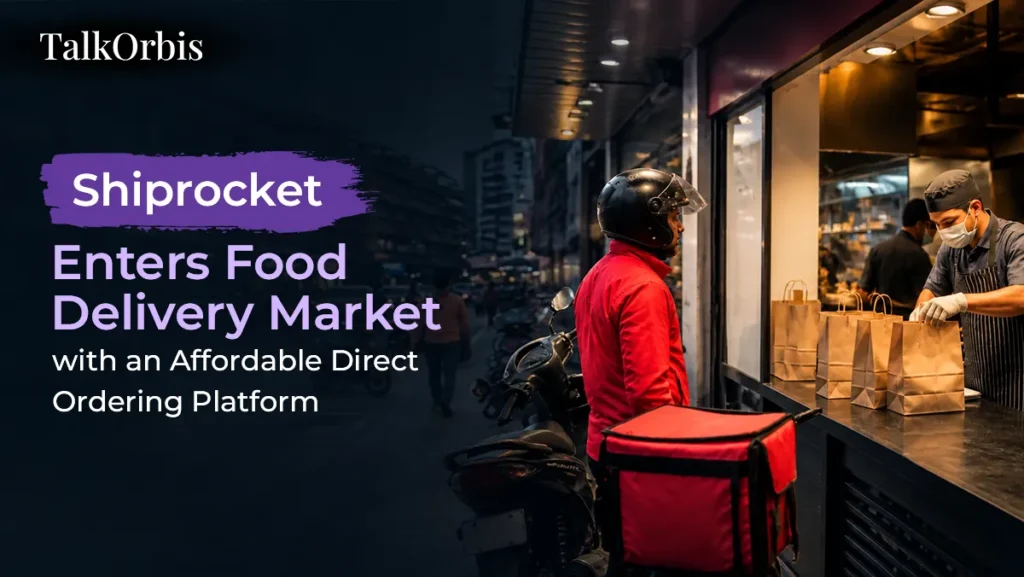
Shiprocket Enters Food Delivery Market with an Affordable Direct Ordering Platform
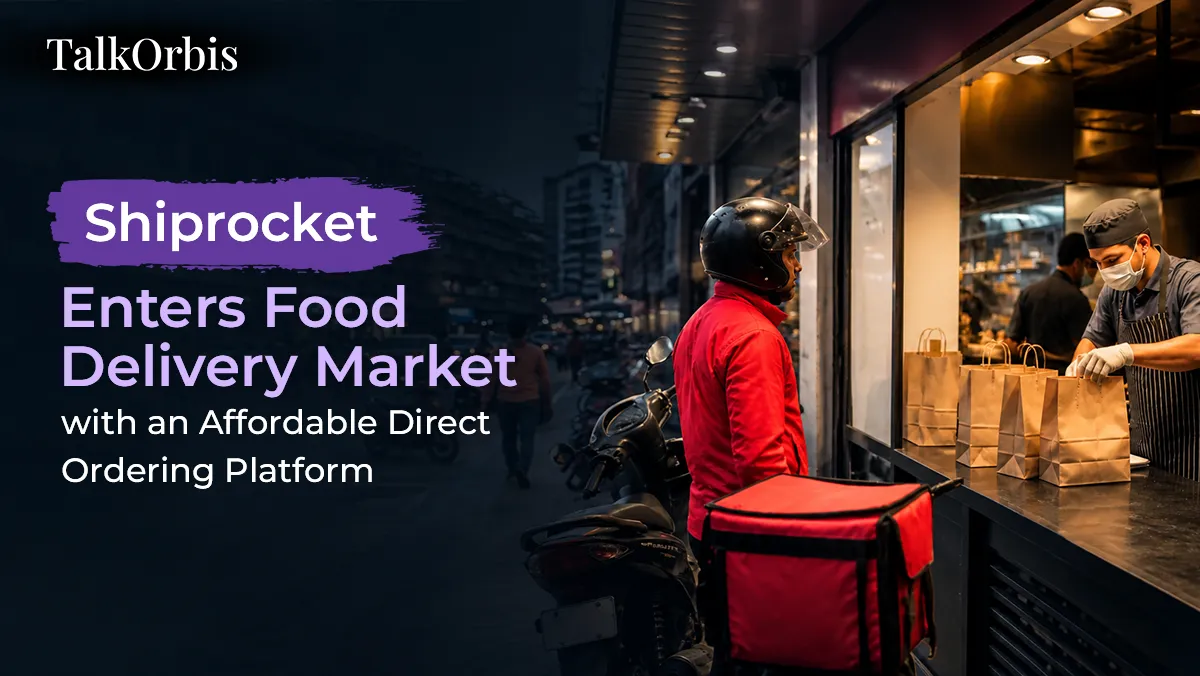
India’s food delivery market continues to evolve as technology companies explore new ways to connect restaurants directly with customers. Shiprocket, known for its e-commerce shipping and logistics solutions, is expanding into the food delivery space with a low-cost direct ordering model aimed at helping food businesses manage customer orders more efficiently.
The move reflects a broader shift toward technology-driven solutions that give restaurants greater control over online ordering, customer relationships, and business operations. By exploring direct ordering, Shiprocket could create new opportunities for restaurants looking to reduce their dependence on traditional third-party food delivery marketplaces.
Why Is Shiprocket Exploring Food Delivery?
Shiprocket has established its presence in India’s e-commerce ecosystem by offering shipping, logistics, fulfillment, and related technology services to online sellers. Expanding into food ordering represents a potential extension of its broader mission to support businesses through digital infrastructure.
Restaurants increasingly depend on online channels to attract customers and manage orders. However, operating through third-party platforms can involve commissions, platform fees, and limited access to customer relationships.
A direct ordering model offers another option, allowing restaurants to accept orders through their own digital channels while maintaining greater control over the customer experience.
Shiprocket’s existing experience in logistics and business technology could provide a foundation for supporting food businesses as they adopt digital ordering solutions.
How Does a Low-Cost Direct Ordering Model Work?
A direct ordering model enables restaurants to receive customer orders without relying entirely on large food delivery marketplaces. Depending on the platform’s features, restaurants may be able to display their menus online, accept orders, manage payments, and coordinate fulfilment through their own digital ordering channels.
The model can offer several potential advantages:
- Lower platform costs: Affordable pricing may help restaurants reduce their dependence on commission-heavy ordering channels.
- Direct customer relationships: Restaurants can develop stronger connections with customers who order through their own channels.
- Greater brand control: Businesses can present their menus, promotions, and brand identity more consistently.
- Customer retention: Restaurants can use appropriate customer engagement tools to encourage repeat orders.
- Operational flexibility: Digital ordering tools can help businesses organise incoming orders and streamline daily operations.
What Could This Mean for Restaurants?
For independent restaurants, cafés, cloud kitchens, and emerging food brands, online ordering has become an important part of business growth. However, smaller businesses may have limited budgets for technology and customer acquisition. An affordable direct ordering solution could make digital commerce more accessible to these businesses. Rather than depending exclusively on third-party marketplaces, restaurants could build their own ordering channels and promote them through websites, social media, QR codes, and existing customer networks.
This approach may be particularly useful for restaurants with a loyal local customer base or businesses that receive frequent repeat orders. However, direct ordering also requires restaurants to attract customers, manage order fulfilment, provide customer support, and maintain a reliable ordering experience. A low-cost platform alone cannot guarantee higher sales or profitability.
Direct Ordering vs. Traditional Food Delivery Platforms
Traditional food delivery marketplaces provide restaurants with access to an established customer base, along with ordering infrastructure and, in many cases, delivery services. These benefits can help restaurants reach new customers without building an entire digital ordering system independently. Direct ordering takes a different approach. It gives restaurants more control over their digital storefront and customer interactions, but businesses may need to invest more effort in marketing, customer acquisition, and fulfillment.
For many restaurants, the two approaches can work together. Marketplaces can help attract new customers, while direct ordering can encourage repeat purchases and strengthen customer relationships. The most suitable approach will depend on each restaurant’s margins, target audience, location, and operational capabilities.
How Technology Is Changing Food Delivery
Technology is reshaping the food industry by improving how businesses manage orders, payments, inventory, and customer engagement. Direct ordering platforms can support this shift by bringing several business processes into a more connected digital environment. In the future, capabilities such as AI-powered customer support, automated order notifications, personalized offers, and demand forecasting could further improve restaurant operations.
For example, AI chatbots could help answer common menu questions, while automated marketing tools could support customer retention campaigns. These capabilities can help restaurants operate more efficiently when implemented in a way that suits their needs. The broader opportunity lies in combining digital ordering with practical tools that make running a food business easier and more cost-effective.
Challenges Shiprocket May Need to Address
Entering the food delivery market also presents several challenges. Restaurants will evaluate whether a new solution offers meaningful cost savings, reliable technology, convenient payments, and a smooth customer experience.
Important factors include:
- Competitive pricing and transparent fees.
- Easy integration with restaurant websites and existing systems.
- Reliable order processing and payment management.
- Access to delivery or fulfilment options where required.
- Effective customer support and technical assistance.
- Tools that help restaurants attract and retain customers.
Shiprocket’s ability to address these requirements will influence how effectively its direct ordering offering competes with existing solutions.
What This Could Mean for India’s Food Delivery Industry
India’s food delivery ecosystem includes established marketplaces, restaurant-owned ordering channels, and technology providers offering specialised solutions. A greater focus on affordable direct ordering could encourage more businesses to explore alternatives to marketplace-dependent sales.
For restaurants, increased choice may create opportunities to evaluate technology costs and build more sustainable customer acquisition strategies. For technology providers, it highlights the potential to extend existing e-commerce capabilities into new segments of the digital economy. The long-term impact will depend on adoption by restaurants, customer preferences, platform economics, and the quality of the overall ordering experience.
Final Thoughts
Shiprocket’s reported expansion into food delivery through a low-cost direct ordering model highlights the growing connection between e-commerce technology, logistics, and the food service industry. If the offering provides affordable tools and practical support, it could help restaurants strengthen their online presence and explore more direct relationships with customers. At the same time, successful adoption will depend on pricing, ease of use, fulfilment capabilities, and the ability to generate repeat business. As India’s digital economy continues to develop, solutions that help businesses manage costs while improving customer experiences could play an increasingly important role in the future of online food ordering.
Source: Shiprocket Expands into Food Delivery with Low-Cost Direct Ordering Model
Trending News




Trending News
Related Popular News
-
 By Prerna Saini | November 19, 2026
Amazon Announces $7 Billion Green Energy Investment Plan for India by 2030
Read More