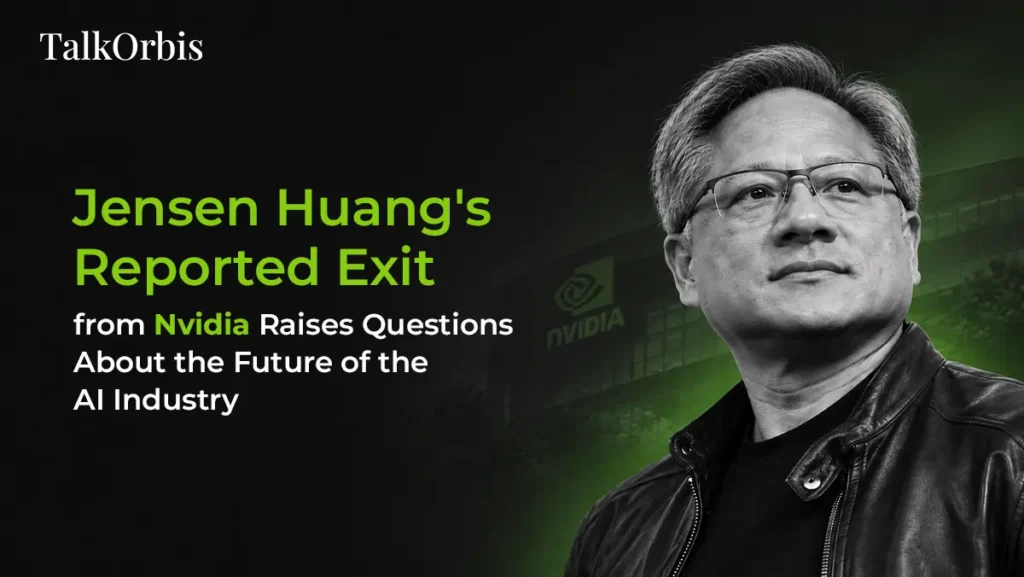
Jensen Huang’s Reported Exit from Nvidia Raises Questions About the Future of the AI Industry
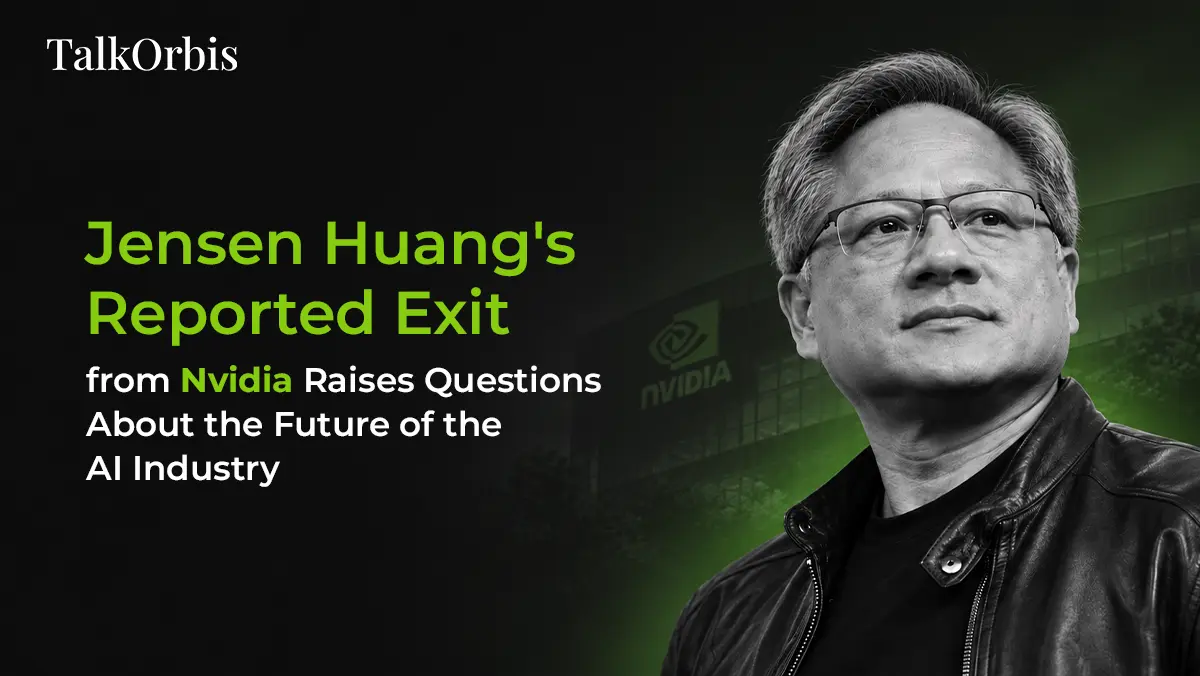
The global artificial intelligence industry could face a significant turning point following reports that Jensen Huang, CEO of Nvidia, has stepped down from his leadership position. Huang has played a central role in establishing Nvidia as one of the world’s most influential technology companies, helping drive the rapid expansion of artificial intelligence through its advanced graphics processing units (GPUs) and computing technologies.
Nvidia has become a major force behind the global AI revolution. Its powerful chips are widely used by technology companies, research institutions and cloud computing providers to develop and operate advanced AI models. From generative AI platforms and autonomous vehicles to robotics and data centres, Nvidia’s technology has become an important part of the modern AI ecosystem.
Jensen Huang’s Role in Nvidia’s Success
Jensen Huang co-founded Nvidia in 1993 and has led the company through several major technological transformations. Initially recognised for its graphics processing technology, Nvidia gradually expanded into artificial intelligence, high-performance computing and data centre solutions.
Under Huang’s leadership, the company moved beyond its traditional gaming market and positioned itself at the centre of the growing AI industry. Its GPU technology became essential for training large AI models, supporting the development of technologies such as generative AI, machine learning and advanced computing systems. His leadership and long-term vision helped Nvidia establish strong relationships with major technology companies, making it a critical supplier in the global AI market.
Why Nvidia’s Leadership Matters to the AI Industry
Nvidia’s influence extends well beyond the semiconductor industry. Its hardware and software technologies support many of the world’s leading AI development projects. A potential leadership transition could raise questions about the company’s future strategy, particularly as competition in the AI chip market continues to increase.
Major technology companies, including AMD, Intel and several emerging semiconductor businesses, are investing heavily in developing alternatives to Nvidia’s AI computing platforms.
Investors and industry observers would likely pay close attention to several areas:
- AI Chip Development: Whether Nvidia continues its current pace of developing advanced AI processors.
- Market Competition: How the company responds to increasing competition in the semiconductor industry.
- Strategic Partnerships: Whether existing relationships with major cloud and AI companies remain unchanged.
- Future Innovation: How Nvidia maintains its position in AI computing, robotics and autonomous technologies.
What Could This Mean for the Future of AI?
The artificial intelligence industry is experiencing rapid growth, with businesses across healthcare, finance, manufacturing, retail and education adopting AI-powered solutions. Nvidia’s technology has played an important role in this expansion by providing the computing infrastructure required to train and operate increasingly sophisticated AI systems.
Any confirmed change in the company’s leadership could attract significant attention from investors, technology companies and AI developers. However, Nvidia’s long-term direction would also depend on its management structure, research investments, product roadmap and ability to respond to changing market demands.
The Road Ahead for Nvidia
Nvidia’s position in the global technology industry has been shaped by decades of innovation, strategic investments and growing demand for advanced computing.
As artificial intelligence continues to influence the future of technology, the company’s leadership and business strategy will remain important to the broader industry. If Jensen Huang’s resignation is officially confirmed, it could represent a major leadership transition for Nvidia. Until then, the reported development should be treated cautiously, and no conclusions should be drawn about its impact on the company’s future.
Trending News










Trending News
Related Popular News
-
 By Prerna Saini | November 19, 2026
Amazon Announces $7 Billion Green Energy Investment Plan for India by 2030
Read More