The Rise of Omnichannel Retail: How Pickup & Delivery Apps Are Changing eCommerce
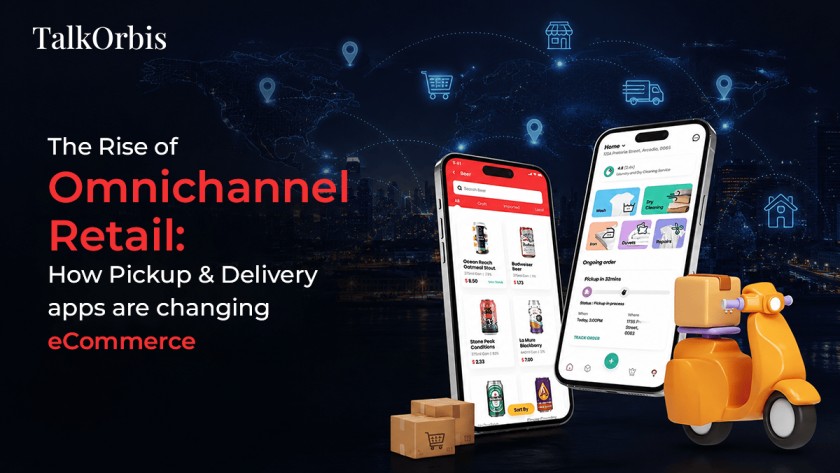
The eCommerce industry is no longer limited to simple online ordering and doorstep delivery. Consumer expectations have evolved rapidly, and shoppers now demand convenience, flexibility, and speed in every purchase. This shift has led to the rise of omnichannel retail, a strategy that integrates online and offline shopping experiences into one seamless journey.
At the center of this transformation are pickup and delivery apps, which are reshaping how businesses serve modern customers.
What Is Omnichannel Retail?
Omnichannel retail refers to a business approach where customers can interact with a brand across multiple channels—such as websites, mobile apps, physical stores, social media, and marketplaces—without disruption.
For example, a customer might:
- Discover a product on Instagram
- Order it through a website
- Choose in-store pickup
- Contact support via WhatsApp
- Return the product at a physical store
All these touchpoints work together to create a smooth and connected shopping experience. Unlike multichannel retail, where channels often operate independently, omnichannel retail focuses on integration and consistency.
Why Omnichannel Retail Is Growing
The rise of omnichannel retail is largely driven by changing customer behavior. Today’s consumers value convenience more than ever.
Shoppers want options such as:
- Same-day delivery
- Buy online, pick up in store (BOPIS)
- Curbside pickup
- Scheduled local delivery
- Flexible return methods
Retailers that fail to offer these options risk losing customers to more agile competitors.
The Role of Pickup & Delivery Apps
Pickup and delivery apps have become essential tools for retailers looking to stay competitive.
These apps help businesses manage logistics while giving customers greater control over how they receive orders.
Key features commonly include:
- Store pickup scheduling
- Delivery slot selection
- Real-time order tracking
- Location-based delivery zones
- Order management automation
These capabilities reduce friction in the buying process and improve customer satisfaction.
For retailers, they also streamline operations by minimizing manual coordination.
Solutions like Store Pickup & Delivery app – PTI are helping Shopify merchants simplify order fulfillment by offering flexible pickup, local delivery, and shipping options. Businesses looking to enhance their omnichannel operations can explore the solution here: https://www.ptiwebtech.com/products/store-pickup-delivery-pti
How Pickup & Delivery Apps Are Changing eCommerce
1. Faster Fulfillment
Speed is now a major competitive advantage in retail. Customers increasingly prefer brands that can fulfill orders within hours instead of days. Pickup and delivery apps make this possible by optimizing fulfillment workflows and enabling local delivery. Retailers can leverage nearby stores as fulfillment hubs, reducing delivery times significantly.
2. Better Customer Experience
Modern shoppers expect flexibility. Not everyone wants home delivery. Some customers prefer picking up orders during their commute or choosing a convenient delivery window. Pickup and delivery apps provide these options, creating a more personalized shopping experience. This flexibility directly impacts customer satisfaction and repeat purchases.
3. Increased Sales Opportunities
Omnichannel strategies often increase revenue. Customers who visit stores for pickups frequently make additional purchases. Retailers also reduce cart abandonment when they offer convenient delivery and pickup options. Providing multiple fulfillment choices can turn hesitant shoppers into paying customers.
4. Improved Inventory Utilization
Inventory visibility is critical in omnichannel retail. Pickup and delivery apps help businesses connect store inventory with online orders, ensuring better stock management. This reduces overselling, improves accuracy, and helps retailers maximize existing inventory across locations.
5. Stronger Brand Loyalty
Convenience builds trust. When customers know they can order from a brand anytime and receive products on their terms, loyalty increases. A seamless omnichannel experience encourages long-term customer relationships.
Industries Benefiting the Most
Pickup and delivery apps are transforming multiple sectors, including:
- Grocery
- Food & Beverage
- Fashion
- Electronics
- Pharmacy
- Home essentials
These industries rely heavily on convenience and rapid fulfillment, making omnichannel capabilities especially valuable.
Challenges Retailers Still Face
Despite the benefits, implementing omnichannel retail is not without challenges.
Common obstacles include:
- Managing inventory across channels
- Coordinating store and delivery operations
- Technology integration
- High fulfillment costs
Retailers need scalable technology and efficient systems to overcome these barriers. This is why specialized pickup and delivery solutions are gaining traction.
The Future of eCommerce Is Omnichannel
The future of retail is clear: customers no longer think in channels. They simply want a convenient shopping experience, whether online, offline, or somewhere in between.Businesses that invest in omnichannel capabilities today will be better positioned to compete tomorrow. Pickup and delivery apps are no longer optional—they are becoming essential infrastructure for modern commerce. As customer expectations continue to rise, the brands that succeed will be those that deliver speed, flexibility, and convenience at every touchpoint.
Trending News








Trending News
Related Popular News
-
 By Prerna Saini | October 09, 2026
Boston Dynamics Appoints Rohit Prasad as CEO as AI and Robotics Converge
Read More -
 By Prerna Saini | August 18, 2026
Read-It-Later App Pocket Shut Down — Here Are the Best Alternatives
Read More