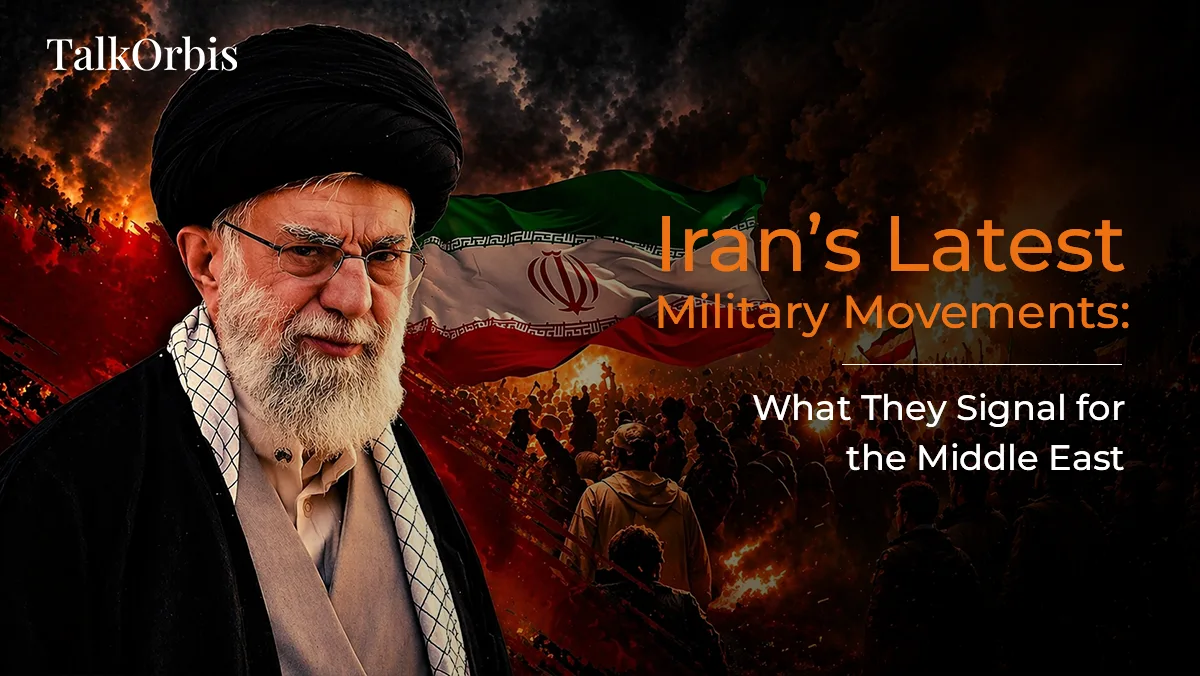
Iran’s Latest Military Movements: What They Signal for the Middle East
As a regional power with strong strategic ambitions, Iran’s actions—ranging from troop deployments to missile tests—are closely monitored by neighboring countries and global powers alike.
In 2026, these developments are not just isolated events but signals of broader geopolitical shifts that could reshape the region’s security dynamics.
Overview of Iran’s Recent Military Movements
Recent reports indicate a rise in Iran’s military activity across multiple fronts. These include:
- Increased naval presence in the Persian Gulf
- Missile and drone testing programs
- Strengthening of proxy forces in neighboring countries
- Heightened military readiness near strategic locations
Such movements suggest Iran is reinforcing both its defensive capabilities and regional influence.
Strategic Objectives Behind the Movements
1. Deterrence Against External Threats
Iran has long faced pressure from Western nations and regional rivals. By showcasing military strength, it aims to deter potential attacks and signal readiness to respond to any aggression.
2. Expanding Regional Influence
Iran continues to support allied groups in countries like Iraq, Syria, and Lebanon. Strengthening these networks allows Tehran to extend its influence without direct confrontation.
3. Control Over Strategic Routes
The Persian Gulf and Strait of Hormuz remain critical to global energy supply. Iran’s military presence in these areas indicates its intent to maintain leverage over key shipping lanes.
4. Domestic and Political Messaging
Military demonstrations also serve internal purposes—reinforcing national pride and projecting strength amid economic or political challenges.
Impact on the Middle East
1. Rising Regional Tensions
Iran’s actions have heightened concerns among countries such as Saudi Arabia, Israel, and the UAE. This could lead to increased military preparedness across the region.
2. Risk of Proxy Conflicts
With Iran backing various armed groups, there is a growing risk of indirect conflicts that could escalate into larger confrontations.
3. Energy Market Uncertainty
Any instability involving Iran can disrupt oil supply routes, leading to fluctuations in global energy prices and economic ripple effects.
4. Diplomatic Strain
Ongoing military activities complicate diplomatic efforts, making negotiations on nuclear programs and sanctions more challenging.
Global Reactions
The international community has responded with caution:
- The United States and its allies have increased surveillance and military presence in the region
- European nations are urging diplomatic solutions
- Global organizations are calling for de-escalation to prevent conflict
These reactions highlight the broader implications of Iran’s actions beyond the Middle East.
What This Means for the Future
Iran’s latest military movements suggest a period of heightened uncertainty in the region. Key factors to watch include:
- Potential escalation or de-escalation of tensions
- Renewed diplomatic negotiations
- Shifts in alliances and regional power balance
- Impact on global trade and energy markets
While a full-scale conflict is not inevitable, the current trajectory indicates a fragile and volatile environment.
Conclusion
Iran’s recent military activities are more than routine maneuvers—they are strategic signals with far-reaching implications. From regional security concerns to global economic impacts, these developments underscore the importance of closely monitoring the Middle East.
As tensions evolve, the balance between deterrence and diplomacy will play a crucial role in shaping the region’s future.