Bisleri Faces Water Quality Concerns After FSSAI Flags Sample; Company Challenges Test Findings
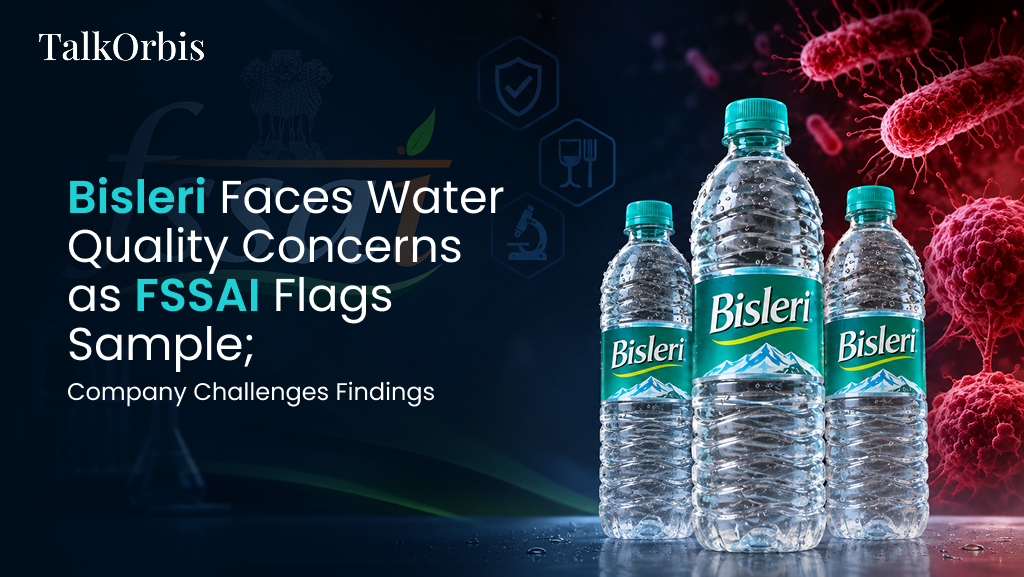
Bisleri, one of India’s most recognised packaged drinking water brands, has come under scrutiny after the Food Safety and Standards Authority of India (FSSAI) reportedly flagged a water sample during quality testing. The development has brought renewed attention to drinking water safety, product quality standards and regulatory monitoring in India’s packaged water industry.
The reported findings have raised questions about the quality checks followed by packaged drinking water manufacturers. However, Bisleri has challenged the findings, disputing the conclusions drawn from the sample assessment. The disagreement has brought the company’s quality assurance practices and the regulatory testing process into focus.
FSSAI’s Findings Raise Questions About Water Quality
The Food Safety and Standards Authority of India (FSSAI) is responsible for monitoring food safety and ensuring that products available in the Indian market comply with established quality standards. Its testing and inspection processes help identify potential safety concerns and maintain consumer confidence in food and beverage products.
The reported flagging of a Bisleri water sample has highlighted the importance of regular testing and compliance with prescribed drinking water standards. Packaged drinking water companies are expected to maintain strict quality-control procedures throughout their manufacturing, treatment, packaging and distribution processes.
Water quality is particularly important because consumers often depend on packaged drinking water for their daily hydration needs, especially in areas where access to safe drinking water may be limited.
Bisleri Challenges the Reported Test Findings
Following the reported observations, Bisleri has challenged the findings, raising a disagreement over the conclusions of the sample testing. The company’s response has made the matter more significant, as the concerns now involve both the regulatory assessment and the company’s position on the reported results.
The issue also highlights the importance of transparent testing procedures, accurate sample assessments and clear communication between regulatory authorities and manufacturers.
For a major brand operating in India’s competitive bottled water market, maintaining consumer confidence is essential. Any concerns regarding product quality can attract public attention and influence how consumers perceive the brand.
Packaged Drinking Water Industry Under Focus
The development comes at a time when consumers are becoming increasingly conscious of the quality and safety of packaged food and beverages. With bottled water widely consumed across households, offices, restaurants, hotels and travel destinations, maintaining consistent quality standards remains a major responsibility for manufacturers.
Regulatory monitoring plays an important role in ensuring that packaged drinking water meets the required safety parameters. Regular inspections, laboratory testing and compliance checks help identify potential issues and encourage companies to maintain consistent production standards.
The reported Bisleri case also highlights why consumers expect greater transparency from both manufacturers and regulatory authorities when questions about product safety arise.
What Does This Mean for Consumers?
The disagreement between Bisleri and the FSSAI raises important questions about quality assurance and the regulatory testing of packaged drinking water. However, the reported findings and the company’s challenge should be considered separately until further verified details become available.
Consumers will likely look for additional clarification regarding the sample testing, the nature of the reported quality concern and the company’s response.
The next developments in the matter could provide more clarity on the testing process and the regulatory assessment. Until then, the issue serves as a reminder of the importance of strong quality-control practices, regulatory accountability and transparency in India’s packaged drinking water industry.
Trending News










Trending News
Related Popular News
-
 By Prerna Saini | November 19, 2026
Amazon Announces $7 Billion Green Energy Investment Plan for India by 2030
Read More