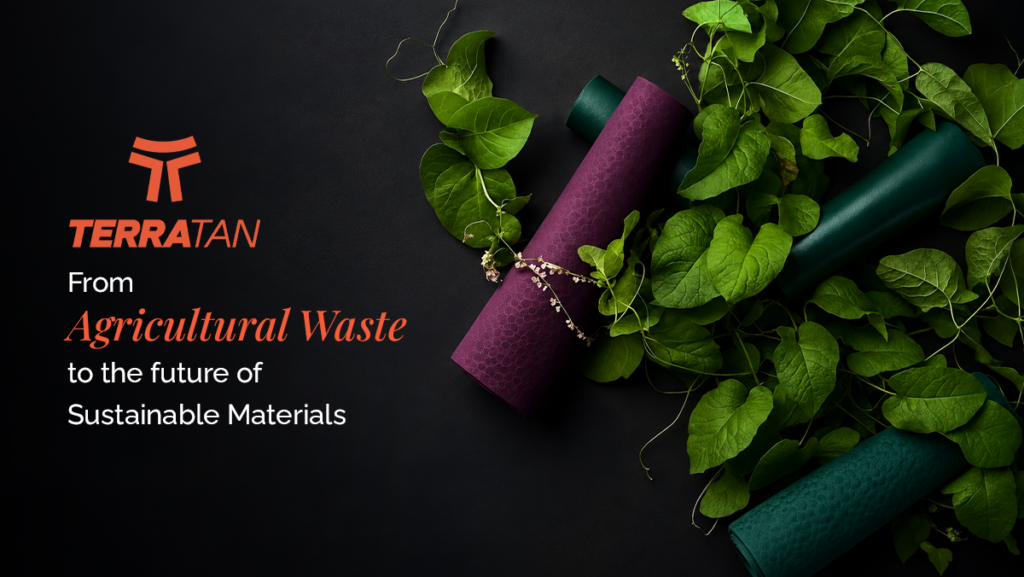
Bharat Biomaterials: From Agricultural Waste to the Future of Sustainable Materials
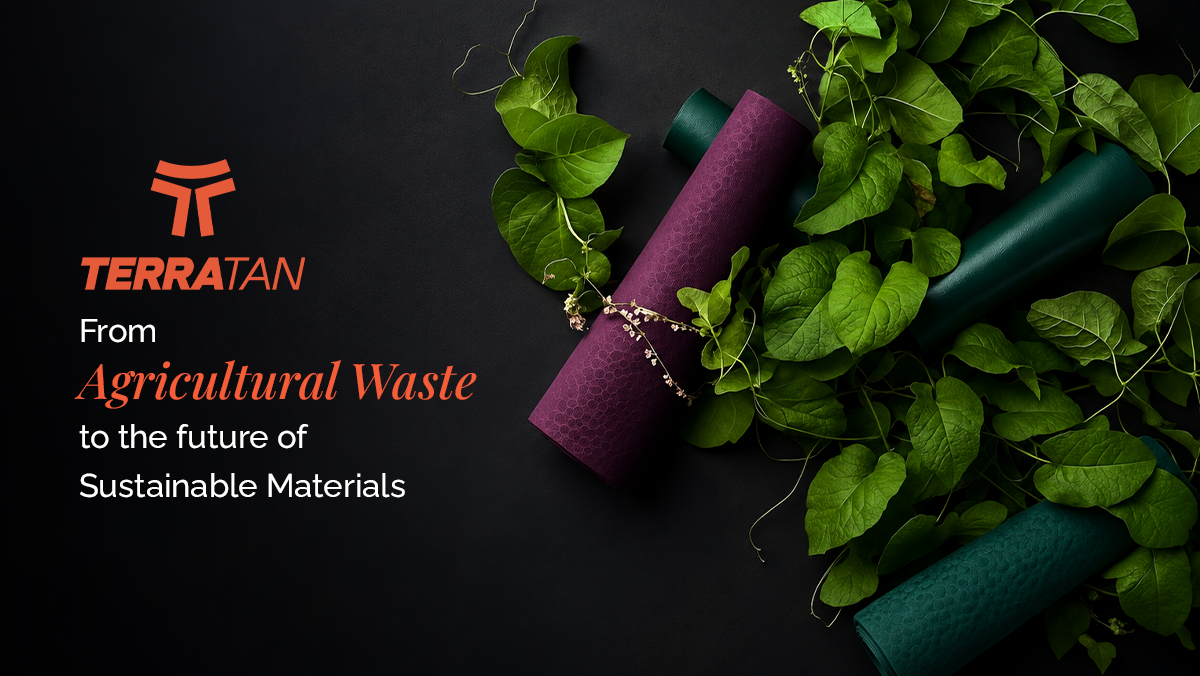
It all began with a simple question: Can everyday materials be made differently? We looked at the environmental challenges surrounding conventional leather and synthetic alternatives and noticed an overlooked opportunity in the agricultural sector. While leather depends on animal hides and resource-intensive processing, many synthetic alternatives rely on fossil-based polymers. At the same time, agricultural residues such as sugarcane bagasse and rice paddy were often treated as waste or burned. We began to see these materials not as waste, but as valuable renewable resources waiting to be transformed.
That idea became the foundation for Terratan™. Our goal was never simply to create a “better leather.” We wanted to rethink the material itself using renewable and overlooked resources to engineer a high-performance alternative that could deliver the texture, strength, flexibility, durability, and aesthetics that modern brands require. Sugarcane bagasse and rice paddy stood out because of their abundance and natural fibre content, offering an exciting bridge between agriculture and advanced material innovation. But turning that vision into a commercially viable material was far from easy.
The journey was filled with experimentation, failures, and lessons. We conducted more than 50 formulation trials, constantly working to increase bio-based content without compromising performance, consistency, or cost. Even after developing a successful formulation in the laboratory, scaling it to industrial production brought another major setback. During our first full-scale machine trial, the entire batch failed and had to be discarded. Instead of giving up, we went back to the drawing board, refined the formulation and manufacturing process, and conducted further production trials. Eventually, we achieved the breakthrough we were looking for a consistent, durable, and versatile material ready for real-world applications.
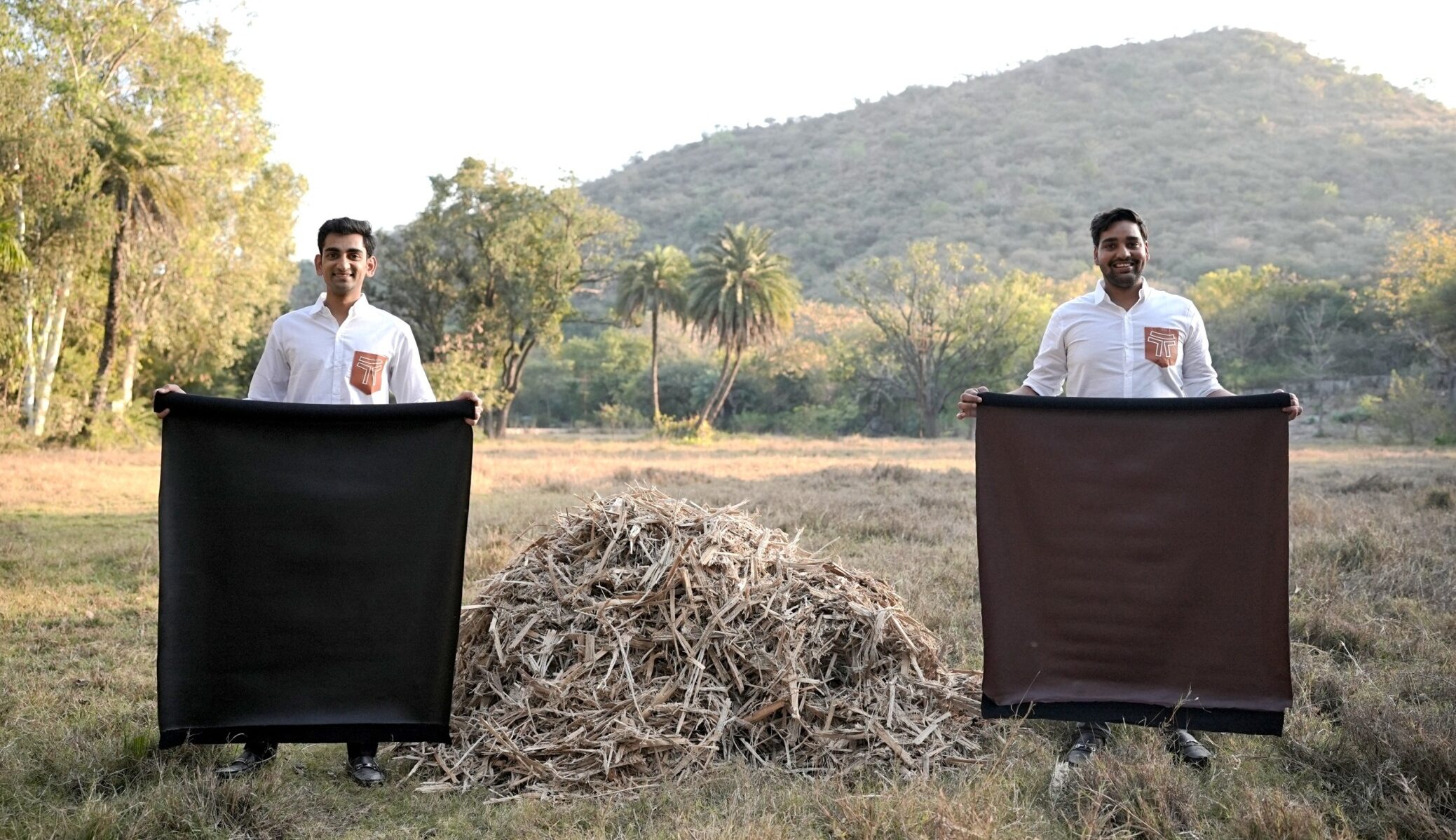
As Terratan™ began entering real-world testing, brands and manufacturers responded with strong interest. Their feedback helped us identify the requirements for commercial-scale adoption, from improved durability and flexibility to bonding, consistency, and cost-effectiveness. Each piece of feedback became another opportunity to improve. Today, Bharat Biomaterials is focused on taking Terratan™ from successful material development to scalable commercial adoption, while developing application-specific variants for footwear, fashion, accessories, furniture, automotive, and other industries.
Our vision goes beyond creating an alternative to conventional leather or synthetic materials. We want to build a new material ecosystem—one that transforms agricultural waste and renewable resources into high-performance materials, creates additional value for farmers, reduces waste and crop burning, and decreases dependence on animal- and fossil-based inputs. Looking ahead, Bharat Biomaterials aims to become a global leader in next-generation bio-based materials, helping industries move toward a future where performance, biodegradability, compostability, and circularity are designed into materials from the very beginning.
Trending Stories









Trending Stories
Related Popular Stories
-
 By Prerna Saini | September 01, 2026
Building with Hands, Heart and Humanity: The Story of Masons Ink
Read More -

-