Transforming Textile Waste into Warmth: The Fabrecreate Story
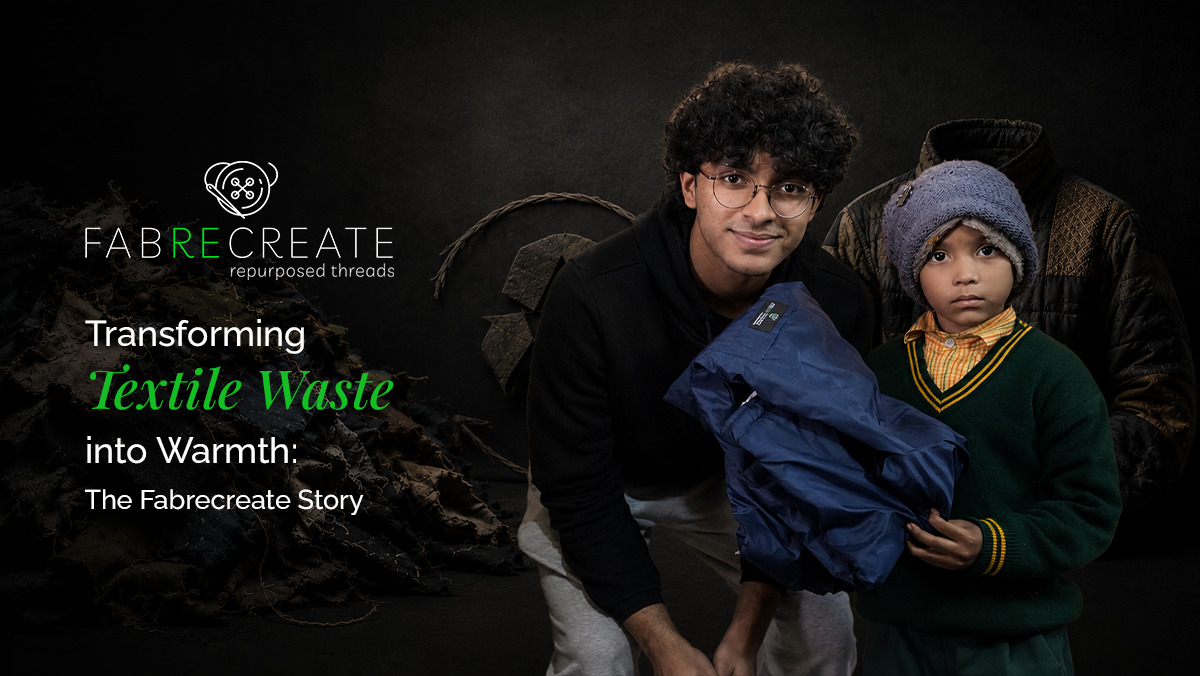
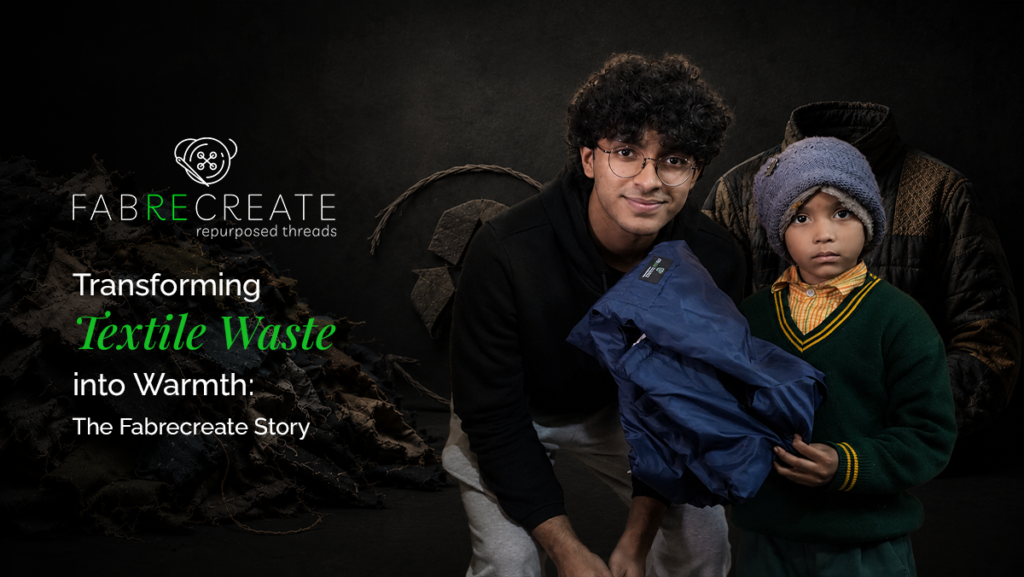
Before Fabrecreate, I was simply a curious student who loved exploring different interests, from music, chess, and judo to understanding how things worked. Growing up, I was fortunate to receive opportunities that many children never have, and my parents constantly encouraged me to look beyond myself and appreciate the importance of giving back to society. Studying in both India and Switzerland exposed me to two completely different worlds. While one offered world-class education, resources, and opportunities, the other constantly reminded me of the realities faced by millions of people struggling with poverty, inequality, and limited access to basic necessities. In 2023, everything changed when I saw heartbreaking images of children displaced by the Ukraine conflict trying to survive freezing winters without proper clothing or shelter. Around the same time, I was learning about the enormous amount of textile waste generated globally every year. I couldn’t stop thinking about how one part of the world had an abundance of usable fabric being discarded while another desperately lacked something as basic as warmth. That realization stayed with me and slowly evolved into a simple but powerful idea—to transform surplus textile waste into HOPE Jackets that could provide warmth, convert into sleeping bags, and offer comfort to children living through some of the world’s most difficult circumstances. That idea eventually became Fabrecreate, built on the belief that environmental sustainability and humanitarian impact are deeply connected, and that solving one problem can often help solve another.
Turning that vision into reality proved to be far more challenging than I had imagined. At just 16 years old, the biggest obstacle wasn’t designing the jacket—it was convincing people to believe that I could actually make it happen. Textile manufacturers were hesitant to donate surplus fabric, humanitarian organizations were cautious about partnering with a student-led initiative, and many emails simply went unanswered. Rather than allowing rejection to discourage me, I focused on building credibility through action. I spent months researching materials, consulting textile experts, testing different fabrics, insulation, zippers, and construction techniques, eventually creating more than twenty design iterations before arriving at the final HOPE Jacket. Every prototype taught us something new about improving warmth, durability, portability, and ease of use. Alongside product development came countless hours of fundraising, writing proposals, coordinating with NGOs, preparing shipping documentation, understanding customs regulations, and balancing all of it with school responsibilities. There were many moments when the workload felt overwhelming, but every challenge reinforced an important lesson—that meaningful innovation requires patience, persistence, and the willingness to keep improving even when progress feels slow.
As Fabrecreate grew, so did the trust of people and organizations that believed in the mission. One of the defining moments came when respected humanitarian organizations such as UNHCR, ActionAid, Nova Ukraine, Don Bosco, and several grassroots NGOs chose to collaborate with us. Seeing HOPE Jackets, stitched by women artisans in India using surplus fabric, reach children in Ukraine, Greece, refugee settlements, and remote communities transformed the way I viewed the initiative. It was no longer just an idea—it had become a movement connecting people across continents through compassion and collaboration. Some of the most unforgettable moments came during distributions, like watching a young child immediately put on a HOPE Jacket and refuse to take it off because, for the first time in a long time, they felt warm and secure. Equally moving were conversations with the women artisans who stitched every jacket with incredible care. One artisan shared that every HOPE Jacket she made reminded her that she was helping a child she would probably never meet, giving her work a deeper sense of purpose. Those stories made me realize that every jacket carries two journeys—one of a woman empowered through meaningful employment and another of a child receiving warmth, protection, and hope.
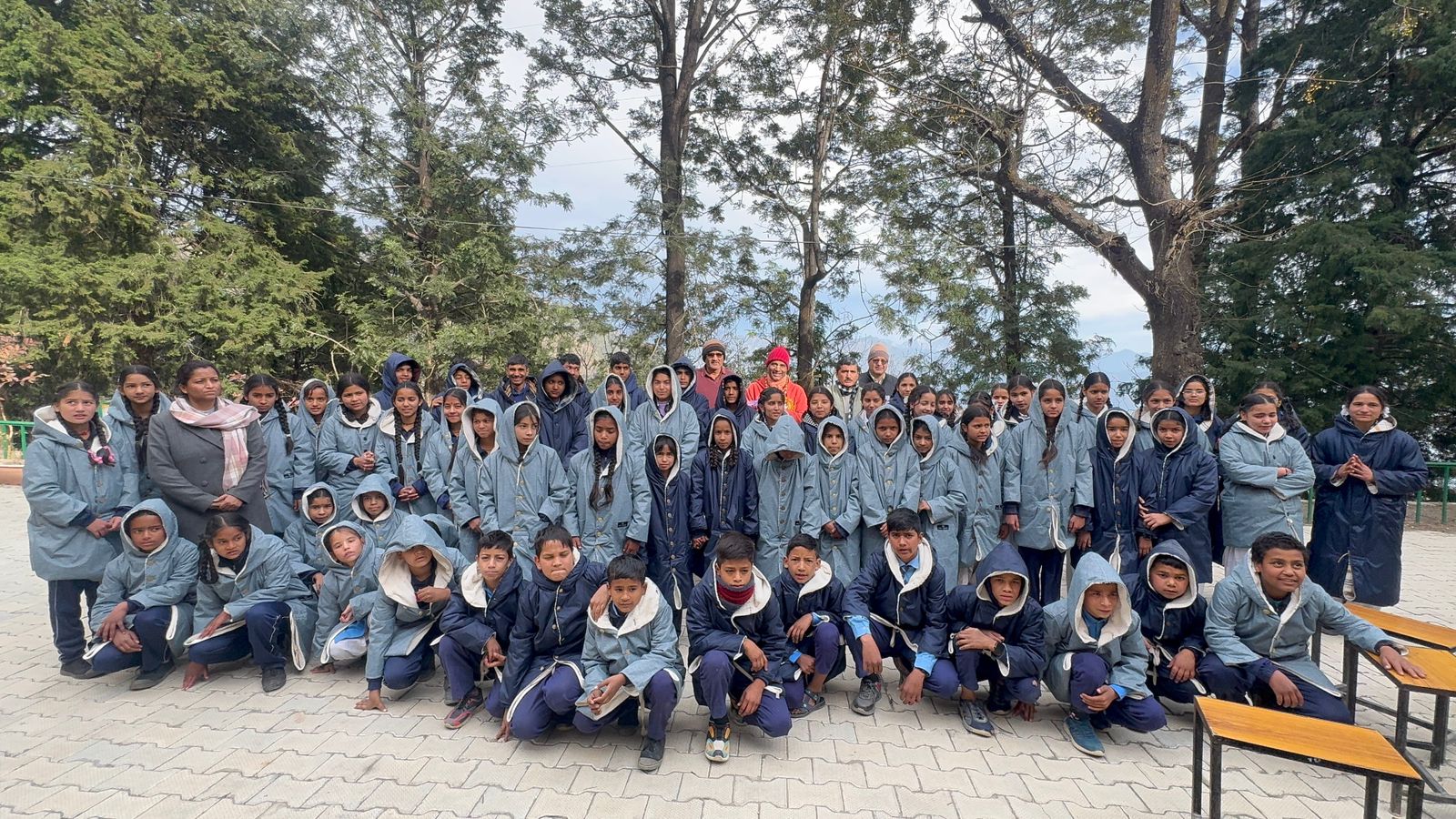
Looking back, Fabrecreate has changed not only the lives of the people it serves but also the way I define leadership and success. I have learned that leadership is not about age, authority, or having all the answers; it is about taking responsibility, earning trust through consistent action, listening, learning, and staying committed even when the path ahead is uncertain. The journey has taught me that collaboration is far more powerful than trying to achieve everything alone, and that setbacks are not failures but opportunities to grow stronger and more resilient. Behind every HOPE Jacket is an invisible story of persistence—late-night calls across time zones, months of follow-ups, shipment delays, customs clearances, logistical challenges, and countless people working quietly behind the scenes to ensure that warmth reaches a child who needs it most. As I look toward the future, I hope Fabrecreate is remembered not simply as an organization that distributed jackets, but as proof that one thoughtful idea can solve multiple problems at once—reducing textile waste, empowering women through meaningful livelihoods, and bringing comfort to vulnerable children. More importantly, I hope it inspires young people everywhere to believe that they do not need to wait for the perfect age, resources, or experience to create meaningful change. Every lasting impact begins with a single decision to act.
Trending Stories






Trending Stories
Related Popular Stories
-
 By Prerna Saini | July 21, 2026
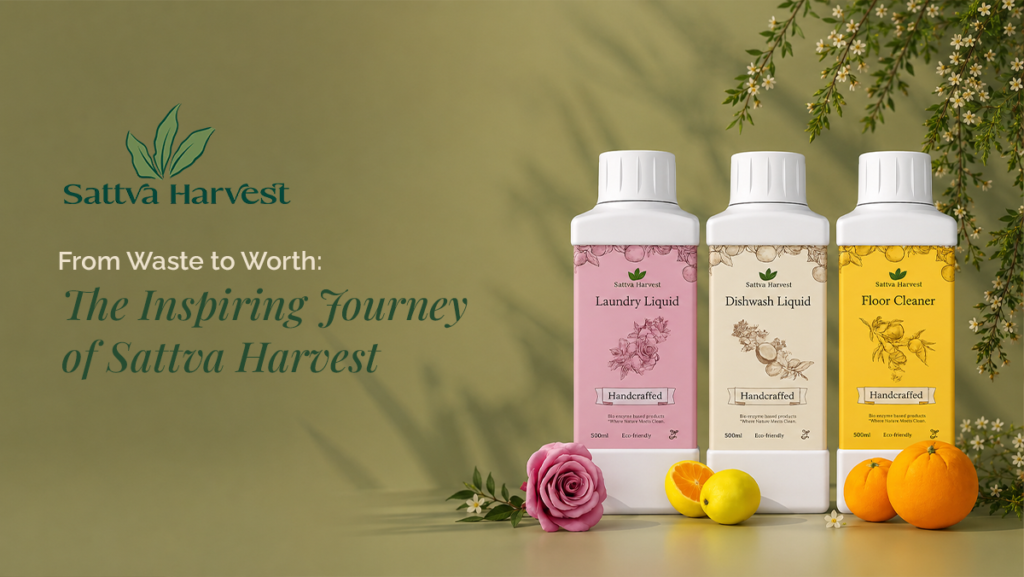
From Waste to Worth: The Inspiring Journey of Sattva Harvest
Read More